Welcome to
Bristol Cathedral
Monday to Saturday: 10.00am – 4.00pm
Sunday: 11.30am – 3.00pm
There is no charge for entry at Bristol Cathedral. Everyone is welcome.
Worship takes place at the Cathedral on every day of the week.
Please note that the cathedral will be closed to visitors from 10.00am – 1.00pm on Tuesday 30th April.
Additional Information
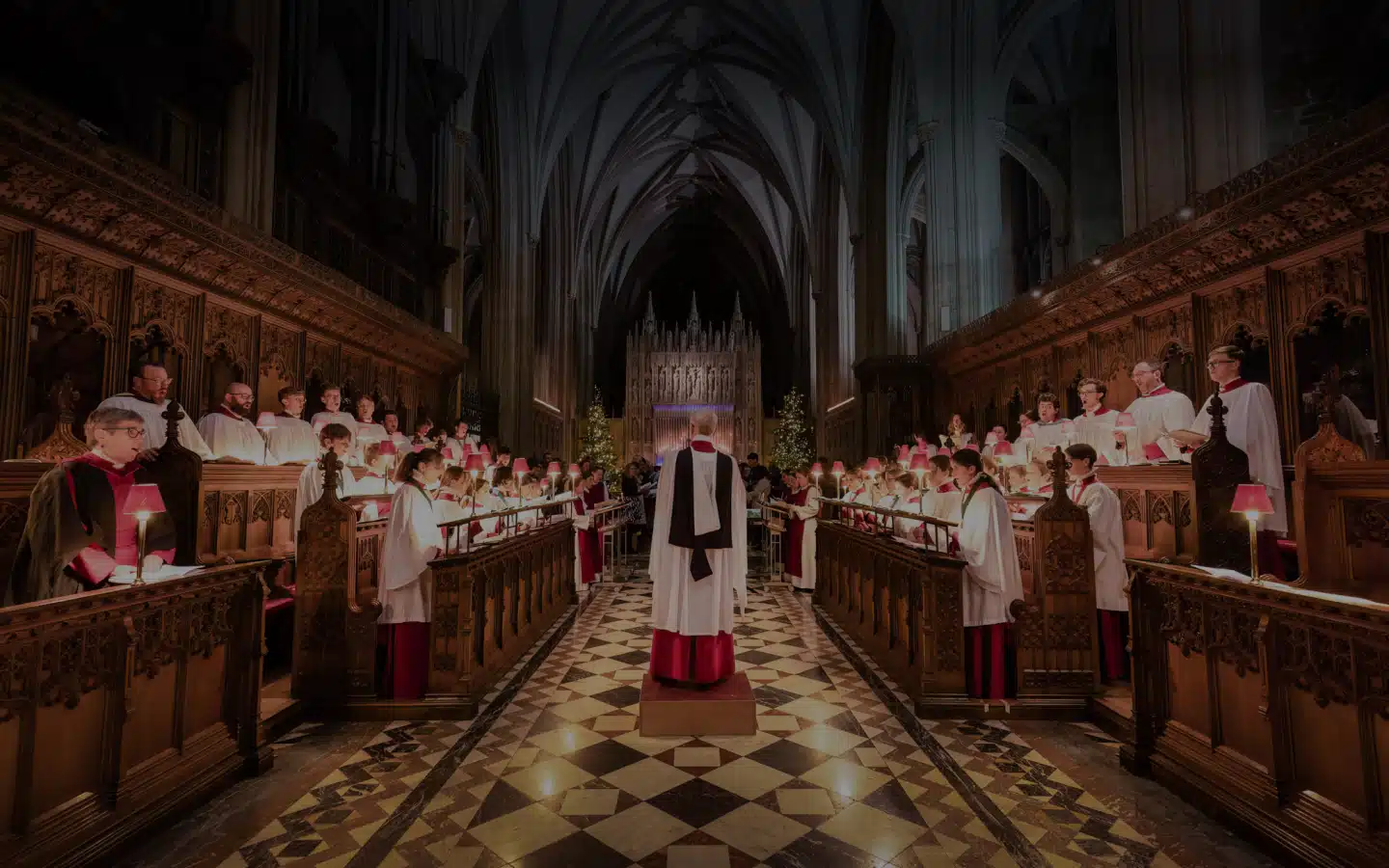
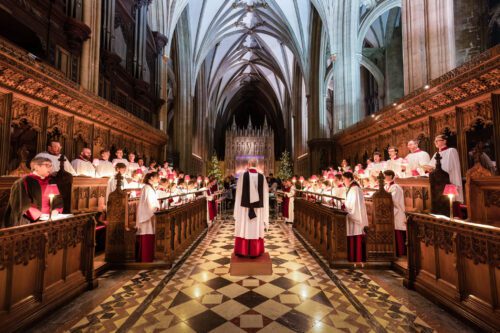
You are welcome to join us for Choral Evensong, taking place most days.
The jewel in the English choral tradition, the words of this service are largely unchanged in 500 years, but there has been a wealth of music composed for those words over the centuries.
WHEN & WHERE
Mondays to Fridays (exc. Thurs)
5.15pm; Sundays at 3.30pm
Bristol Cathedral
Morning Prayer
Tue April 23rd: 8:15am
Bristol Cathedral
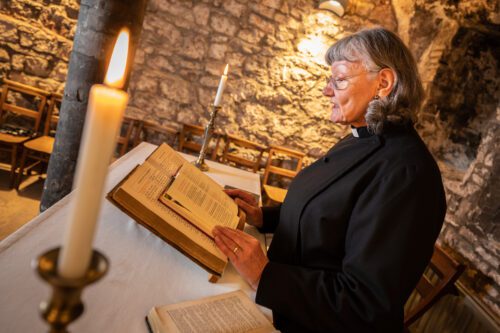
Morning Prayer is part of the monastic rhythms of prayer at the Cathedral.
All God’s Children
Tue April 23rd: 10:00am
Bristol Cathedral
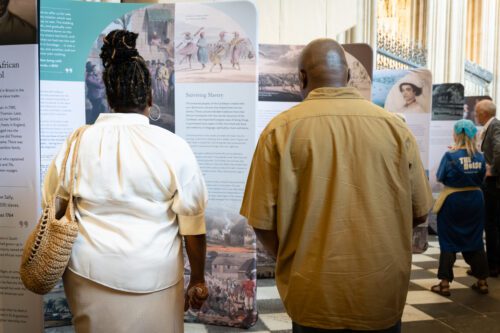
All God’s Children is an exhibition in Bristol Cathedral that explores the impact of the slave economy on Cathedral life, past and present.
Lunchtime Eucharist
Tue April 23rd: 12:30pm
Bristol Cathedral
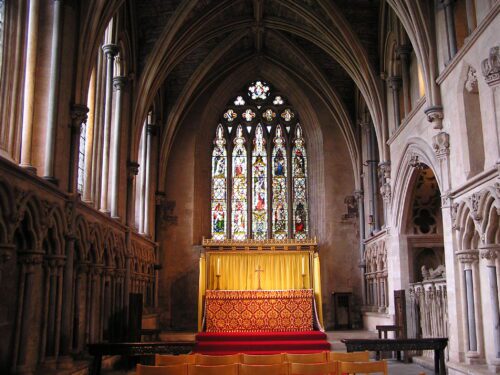
The Said Lunchtime Eucharist (common worship) is a spoken service where the congregation are invited to join in with the
Anthony Smith, Mark Cowley & Allan Schiller: Tuesday Lunchtime Recitals
Tue April 23rd: 1:15pm
Bristol Cathedral
This Tuesday: Anthony Smith EUPHONIUM Mark Cowley CORNET Allan Schiller PIANO Tuesday Lunchtime Recitals are offered

Cathedral Highlights Tour
Tue April 23rd: 2:15pm
Bristol Cathedral
Join one of Bristol Cathedral’s dedicated tour guides as they take you on a journey spanning 900 years of history,
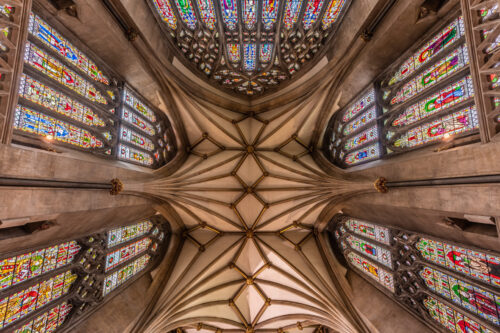
Choral Evensong
Tue April 23rd: 5:15pm
Bristol Cathedral
Choral Evensong is an opportunity to experience captivating music and tranquility in the heart of the city.
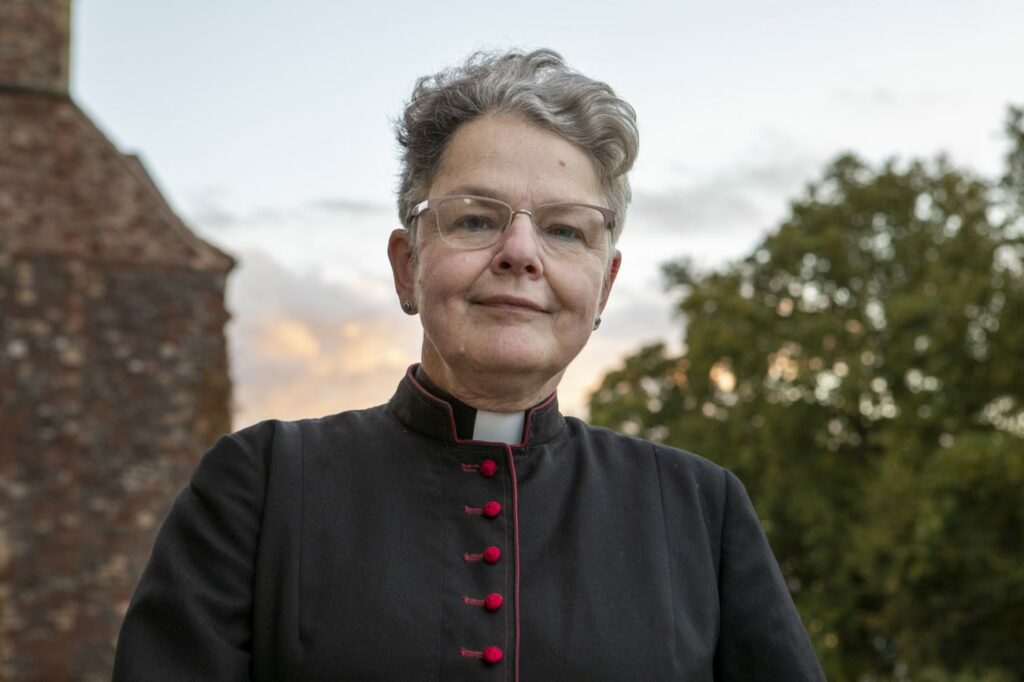
A Warm Welcome from the Dean of Bristol.
Bristol Cathedral is set in the heart of the lively and diverse city of Bristol and its coastal and rural surroundings. Bristol Cathedral is open to everyone, and we hope that you will find a warm welcome here, whether you chose to tour our historic building, enjoy the peace and calm of our chapels and garden, attend an event or exhibition, or join us for worship.
The Very Revd Dr Mandy Ford
Dean of Bristol
Explore The Lord Mayor’s Chapel, a truly remarkable medieval chapel
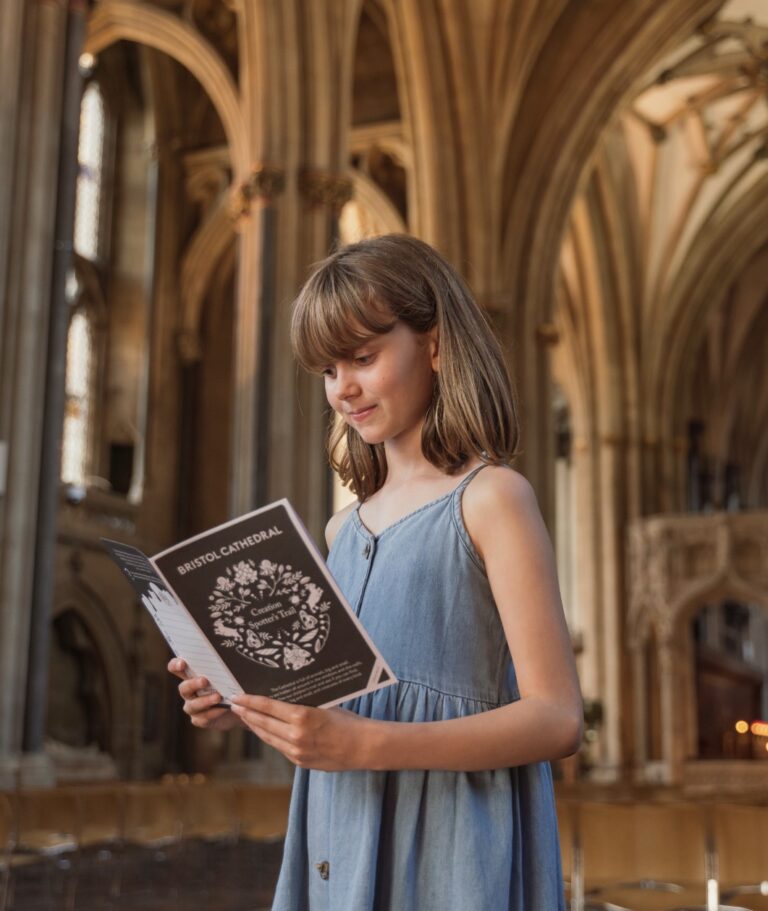
Bristol Cathedral is open every day of the year and everyone is welcome.
With a rich programme of services and events, historic architecture and a peaceful garden, Bristol Cathedral is an essential part of any trip to Bristol.
Learn MoreA place of sanctuary, prayer, and music for the people of Bristol and beyond.
Bristol Cathedral continues a centuries-long tradition of being an open and welcoming space for all people to pause for thought, find beauty and peace, sense the sacred and come together as communities.
Learn More